
The Illusion of Guaranteed Winning
One of the most pervasive myths about casino gambling is the belief that certain strategies guarantee a win. Many players enter casinos with the hope of using systems like the Martingale or Fibonacci methods, which promise to turn the odds in their favor. However, it’s essential to understand that these strategies often fail because the odds in games like roulette or blackjack are inherently skewed in favor of the house. Players can also find entertainment through options like pokies online australia , but they can end up losing significant amounts of money, sometimes believing they are on the brink of a big win when in reality, the odds remain unchanged.
The allure of a guaranteed win is so strong that many players overlook the fundamental principle of probability. For example, even if a player has a winning streak, the next round of a game does not necessarily favor them. Each spin of a slot machine or shuffle of a card is an independent event, meaning past outcomes have no bearing on future results. This misunderstanding can lead not only to financial loss but also to a detrimental mindset where players continue to chase losses, believing they are just one strategy away from success.
Additionally, casinos are designed to maximize their profits through various means, including the setting of odds that ensure long-term profitability. Understanding the house edge is crucial for any gambler. Even in games where skill can influence outcomes, like poker, the house always retains a percentage. This can create a false sense of control while masking the reality that, over time, the house will always win more often than not. Acknowledging these truths is vital for anyone who wishes to engage in gambling responsibly.
The Myth of Skill-Based Games
Another prevalent myth is that skill-based games offer players a significant advantage over purely chance-based games. While it is true that certain casino games, such as poker or blackjack, involve an element of skill, this does not translate into guaranteed victories. Skilled players can improve their odds, but they are still subject to the unpredictable nature of the game. For instance, a seasoned poker player may know how to read their opponents but cannot control the cards they are dealt, making every hand a mix of strategy and luck.
The idea that skill can outweigh chance often leads novice players to underestimate the importance of learning the game rules and strategies. Those who assume they can jump in without preparation are often left disappointed. Furthermore, in games like roulette or slots, skill has virtually no bearing, and the outcomes are entirely left to chance. This misconception can cause players to misallocate their time and resources, focusing solely on skill development instead of recognizing the innate risks involved.
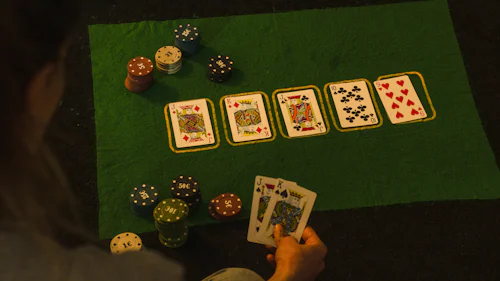
Moreover, even in games where skills can influence outcomes, such as sports betting, the unpredictability of external factors can impact results. Injuries, weather conditions, and personal player performance all contribute to the variability. Therefore, while honing skills in certain areas can enhance the gambling experience, it is critical for players to maintain realistic expectations and acknowledge the role of luck in the overall gambling landscape. This understanding lays the groundwork for a more enjoyable and less stressful gaming experience.
The Social Stigma Surrounding Gamblers
The stereotypes around casino gamblers often lead to a social stigma that portrays them as reckless or morally lacking. This myth oversimplifies a complex reality; many individuals participate in gambling responsibly and view it as a form of entertainment rather than a means to financial stability. In fact, studies indicate that a significant number of gamblers engage in the activity without falling prey to addiction or irresponsible behavior. Understanding that gambling attracts a diverse demographic can help challenge the negative perceptions that often accompany it.
Furthermore, many casino-goers approach gambling with a clear budget and time limit, treating it as a leisure activity rather than an investment. These responsible gamblers enjoy the thrill while maintaining control, which is essential for a healthy relationship with gaming. The stigma only serves to marginalize these individuals, failing to acknowledge the enjoyment they derive from the experience. By shedding light on responsible gambling practices, society can foster a healthier dialogue around the activity and its participants.
The reality is that gambling can coexist with social enjoyment, and many people participate without falling into harmful habits. Initiatives are in place in various jurisdictions to promote responsible gambling, including self-exclusion programs and educational resources on maintaining a balanced approach. By actively engaging in these discussions and debunking myths, communities can cultivate a more comprehensive understanding of gambling as a multifaceted activity rather than a purely negative pursuit. This shift in narrative is essential for normalizing gambling as a part of social entertainment.
The Role of Luck Versus Strategy
One of the oldest and most confusing debates in the world of casino gambling revolves around luck versus strategy. While players often discuss the merits of luck, it’s essential to recognize that strategy can significantly influence outcomes, especially in games with an element of skill. However, this should not overshadow the reality that luck plays an irreplaceable role in every game. For instance, a talented poker player may still face a string of bad beats, demonstrating the undeniable impact of luck on the game.

The concept of luck versus strategy can be particularly misleading to novice gamblers, who may underestimate the importance of understanding the games they play. It’s common for new players to enter a casino with the belief that they can use their intuition or ‘gut feeling’ to make winning decisions. Yet, without a foundational grasp of the game mechanics, they inevitably set themselves up for disappointment. Strategic thinking and knowledge of probabilities can enhance the gambling experience, and well-informed decisions can mitigate risks, but luck will always be a factor.
Ultimately, the interplay between luck and strategy defines the casino experience. Players must learn to embrace both elements for a more enjoyable gaming experience while understanding that luck will always be unpredictable. This realization is crucial for managing expectations and fostering a sense of enjoyment over the mere goal of winning. A balanced perspective allows gamblers to savor the highs and lows of gaming, making the overall experience more rewarding and less stressful.
Exploring Responsible Gambling Resources
As interest in casino gambling continues to grow, it’s vital to explore the resources available for responsible gambling. Many casinos offer extensive information on safe gaming practices and provide tools such as limit-setting and self-exclusion options. These measures are designed to help players stay within their limits and recognize the signs of problematic gambling behavior. Educational campaigns around responsible gaming are essential for promoting healthy habits and encouraging players to approach gambling with caution and awareness.
In addition to resources provided by casinos, various organizations focus on gambling addiction prevention and support. These organizations offer counseling, hotlines, and community outreach programs aimed at helping individuals and their families understand the risks of gambling. By broadening societal awareness around these resources, potential gamblers are better equipped to make informed decisions and remain in control of their gaming experiences. This proactive approach can significantly reduce the chances of falling into harmful gambling patterns.
Ultimately, the conversation around gambling needs to shift from judgment and stigma to education and support. Individuals contemplating entering a casino or engaging in online gambling can benefit from understanding the potential risks involved and the available tools for responsible play. Emphasizing awareness and education will lead to a healthier gambling environment where the focus remains on entertainment rather than escape or financial desperation. A well-informed gambler is an empowered gambler, capable of enjoying the thrill of the game responsibly.